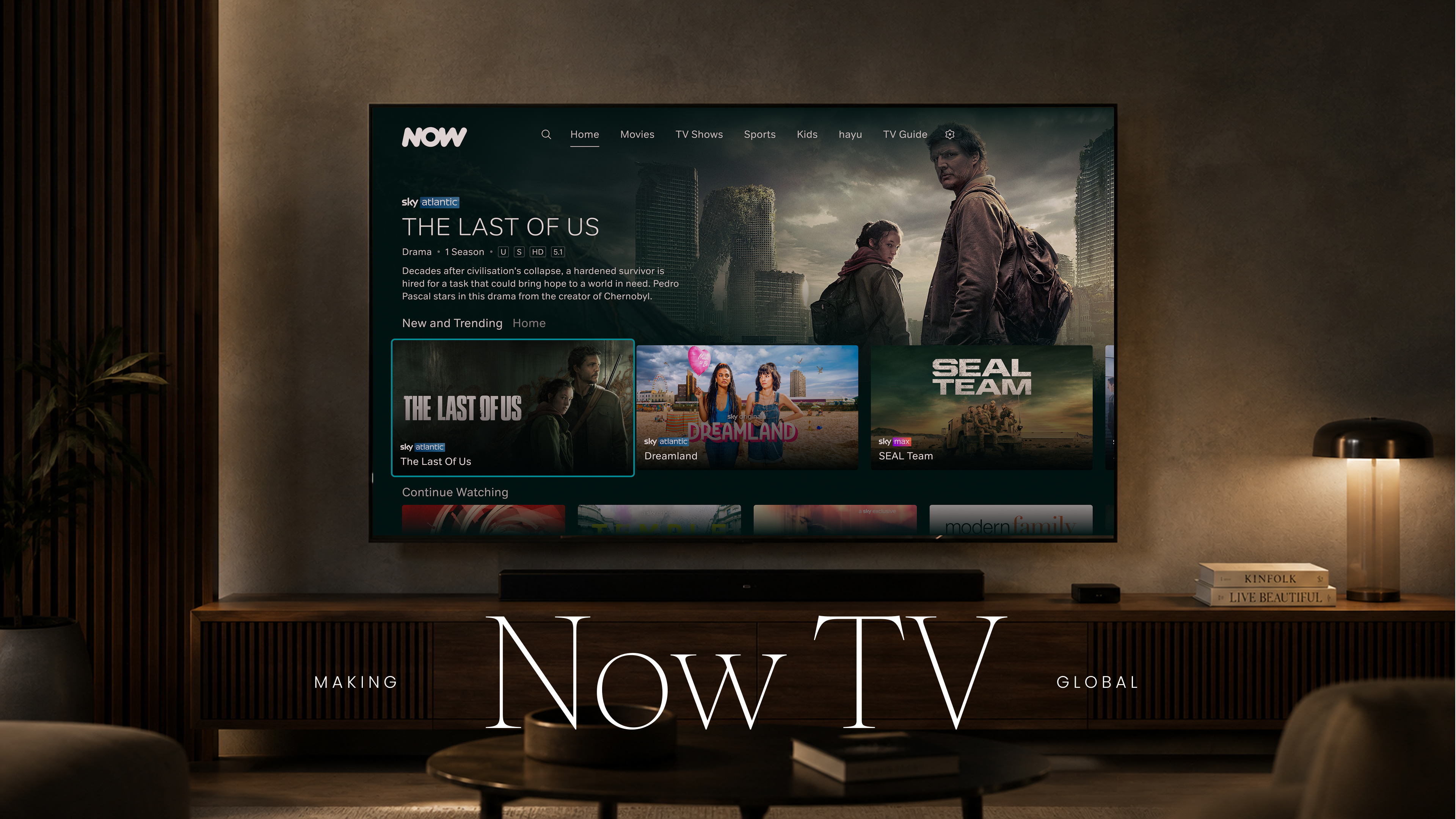
Bringing four streaming platforms into one syndicated system. NOW, Peacock, Showtime, Showmax. One platform, one design system, four very different audiences. A global rollout, on schedule.
The Sky and Comcast merger brought four streaming platforms under one roof. NOW in the UK. Peacock in the US. Showtime joining the family. Showmax across Africa. Each had its own product, its own viewer, its own commercial logic, its own engineering team.
The merger asked a single question. Could these four become one.
Build a single syndicated platform that could house NOW, Peacock, Showtime, and Showmax. Same platform. Global rollout. One design system robust enough to carry the complexities each product brought with it, and the regional-specific requirements that defined how people in each market actually paid for and watched television.
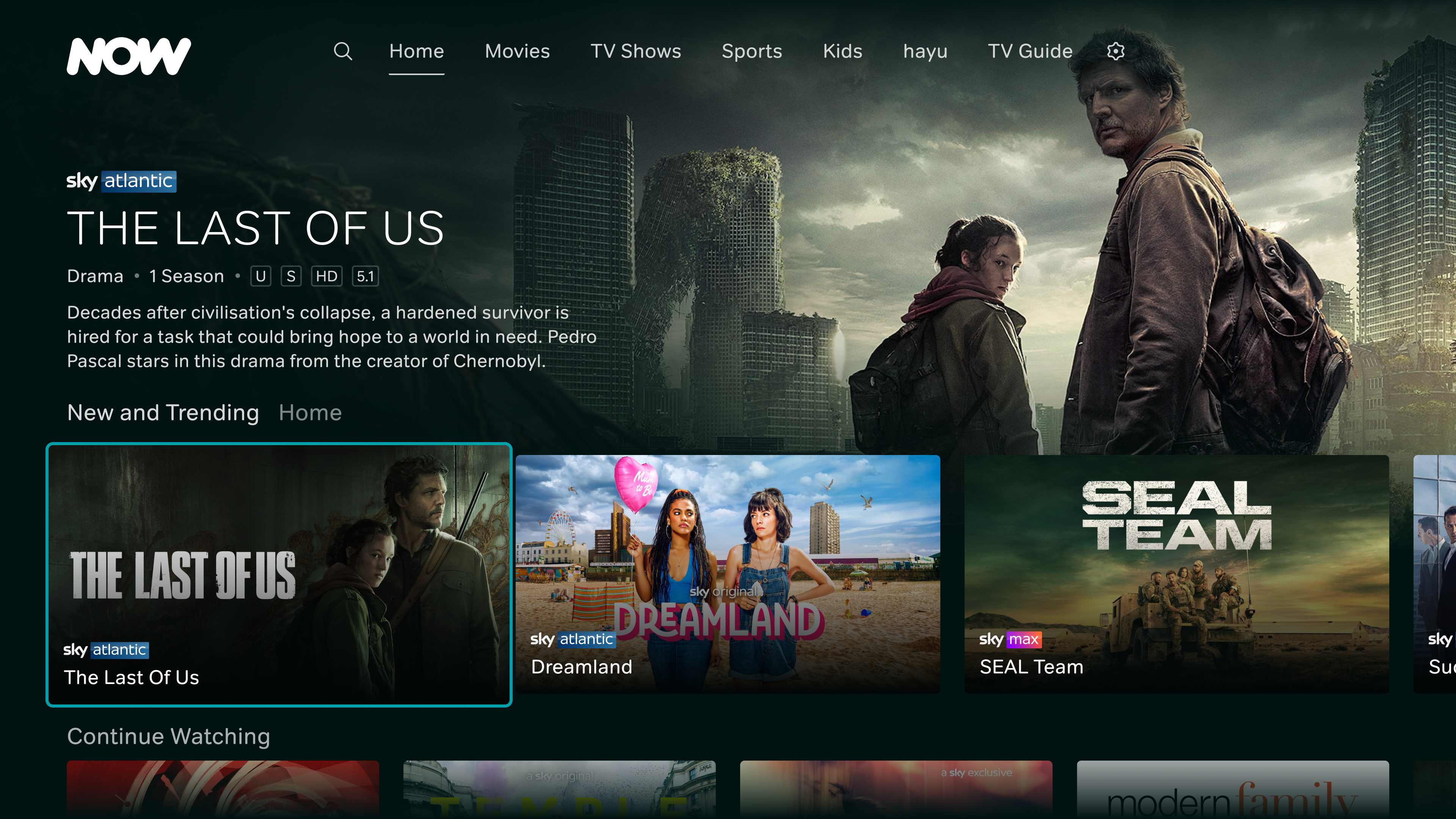
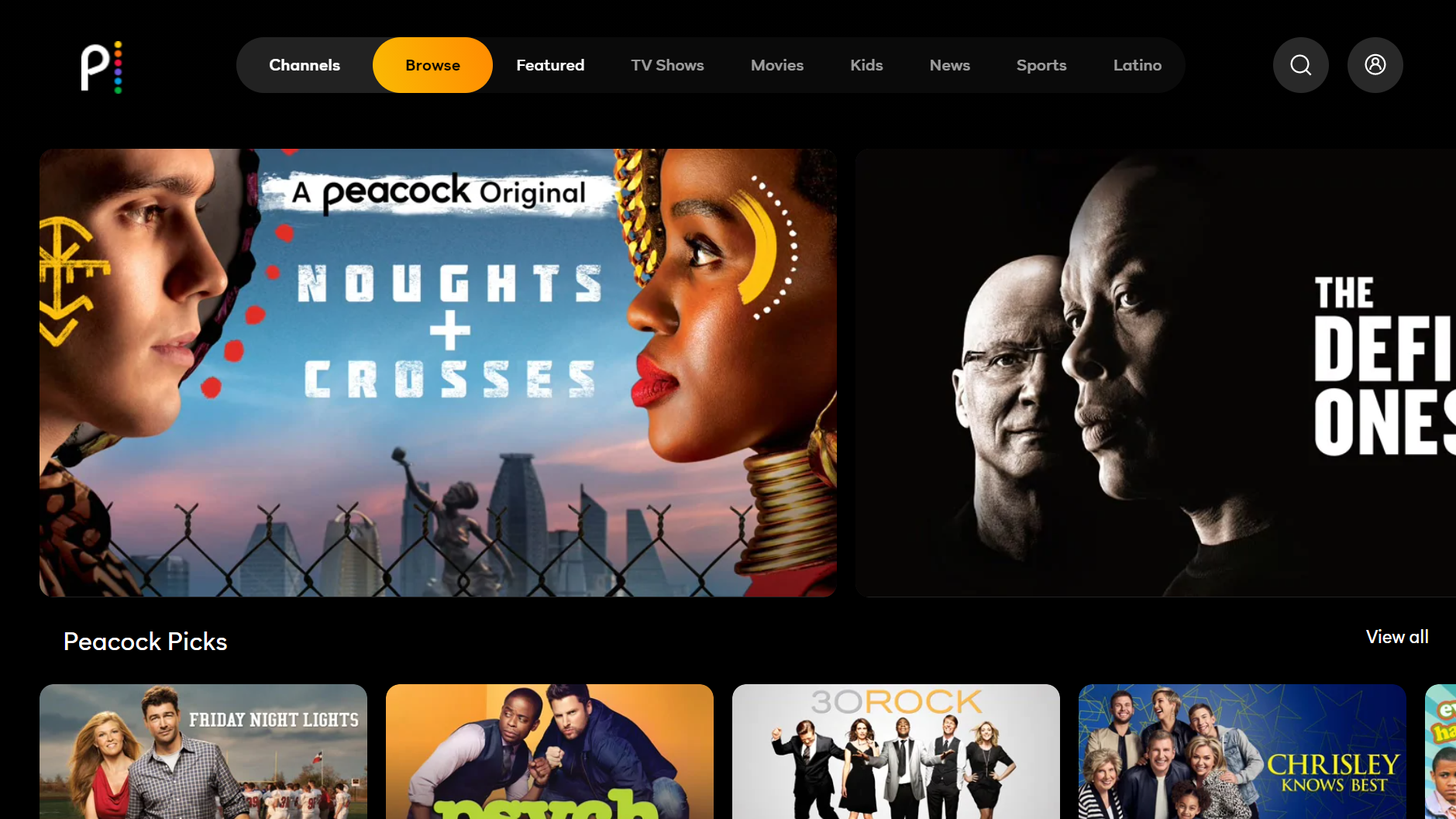
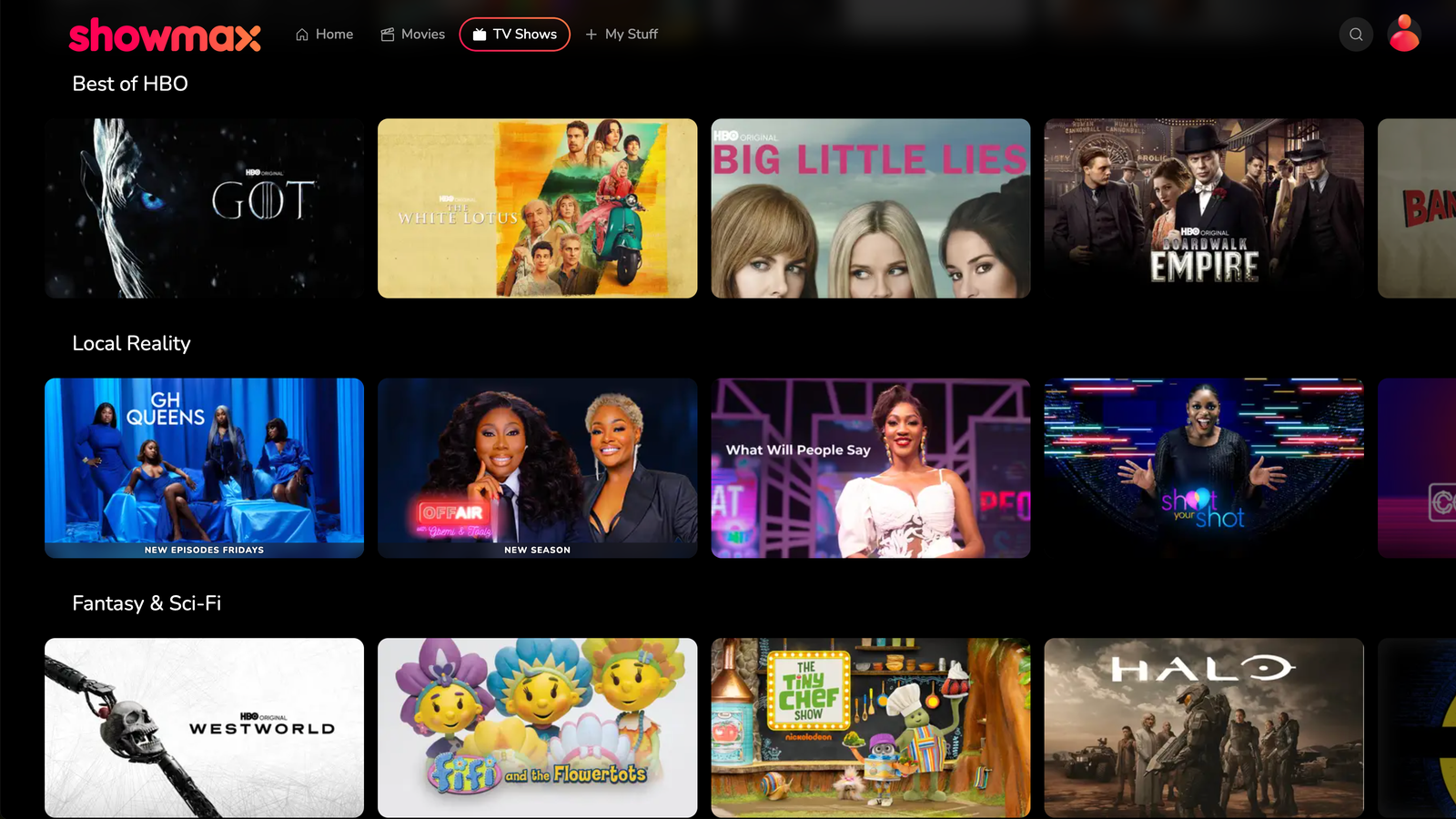
The design challenge was at every level.
A design system that synthesised four visual languages into one without flattening any of them. Subscription and service journeys that had to make sense to wildly different audiences. UK subscribers favoured long-term, bundled pricing. South African subscribers used M-Pesa for pay-as-you-go service, often watching primarily on a phone. The product had to hold both, plus everything in between, with subscription tiers and service flows that read as native in each market rather than imported from the headquarters of another one.
One platform. Four very different audiences. No flattening allowed.
The same design system handled the subscription logic across every market. Plan pickers carried the same hierarchy, the same pricing clarity, the same calm. The same patterns held NOW, Peacock, and Showtime in lockstep across very different commercial models.
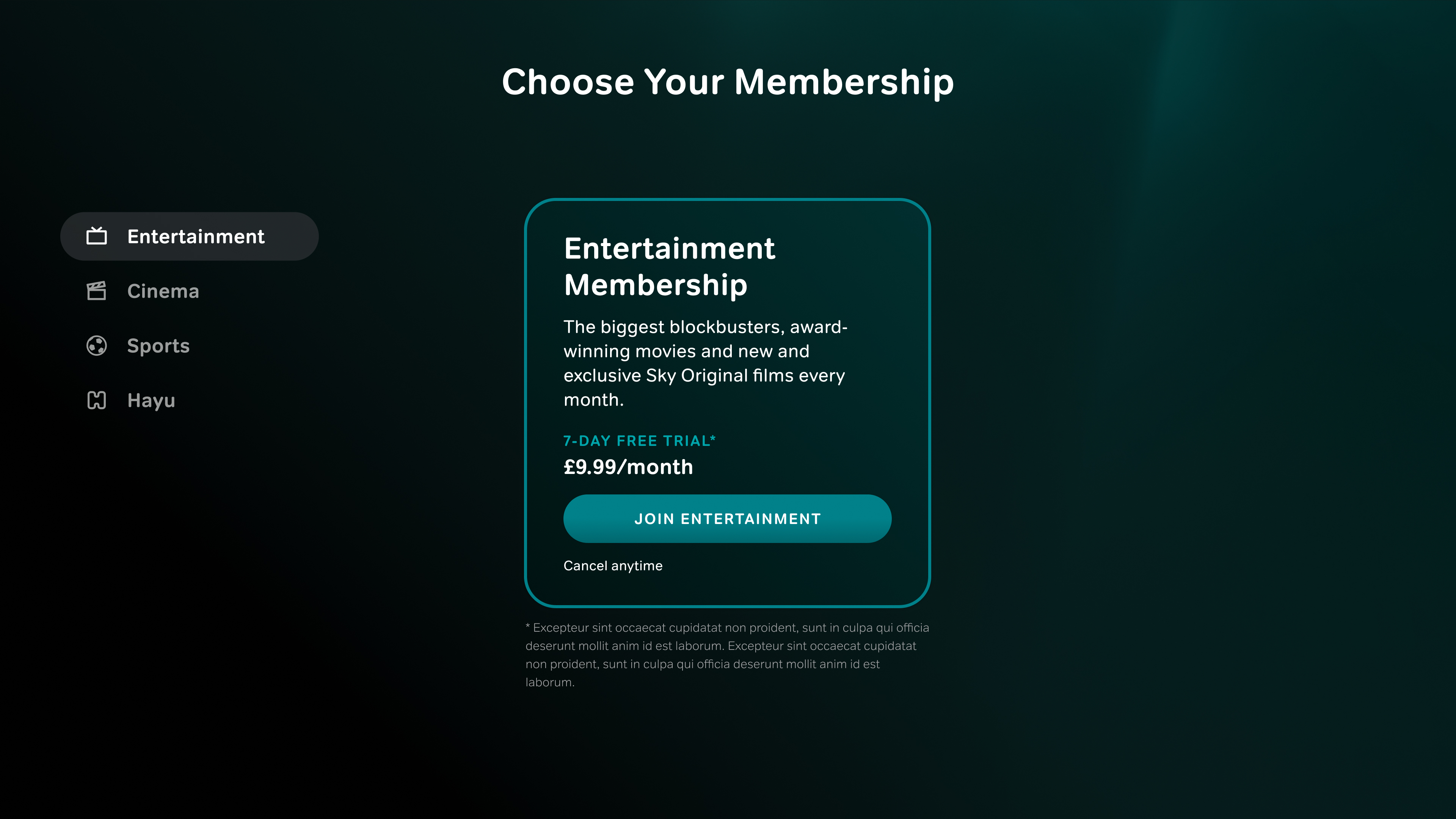
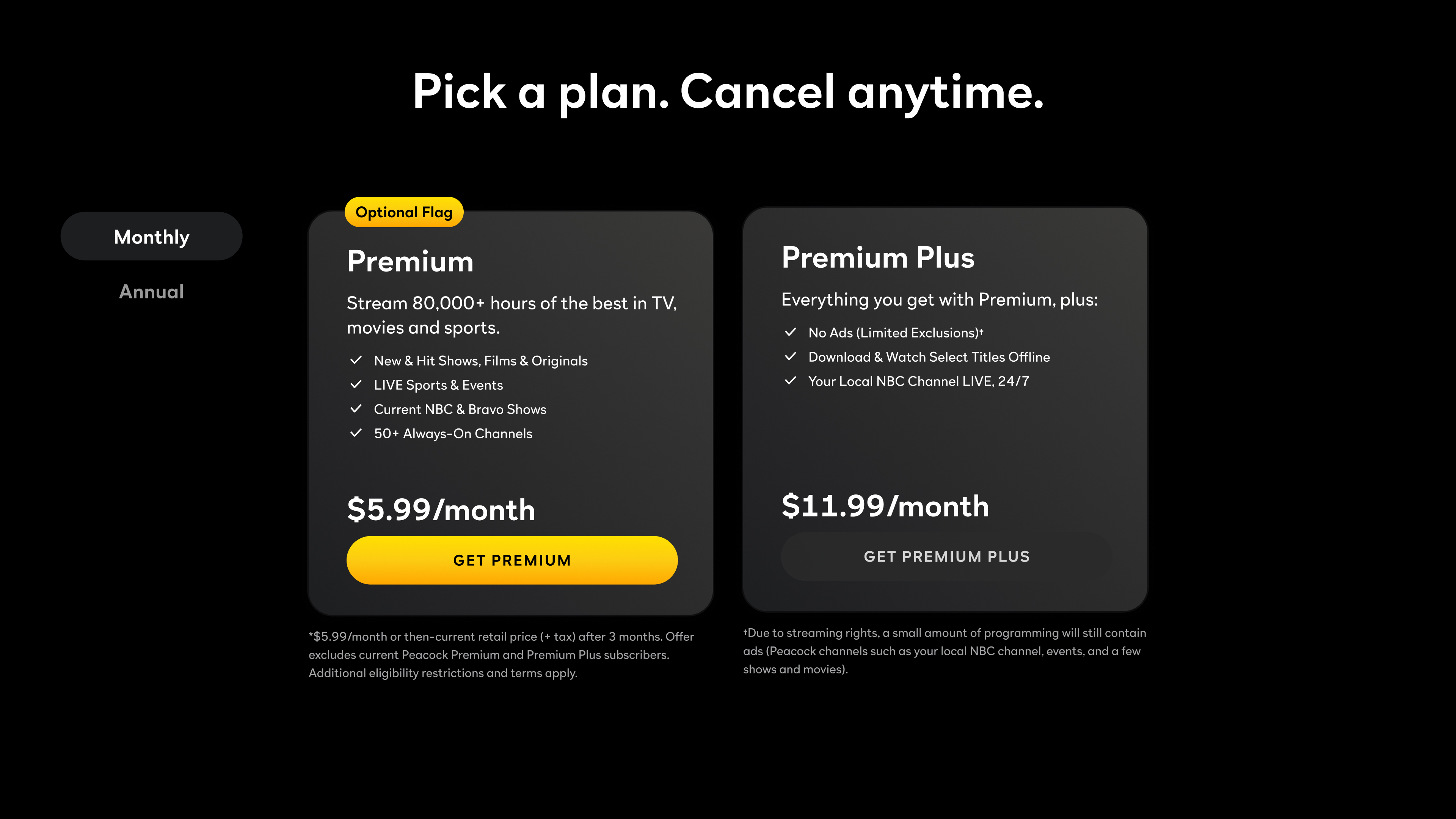
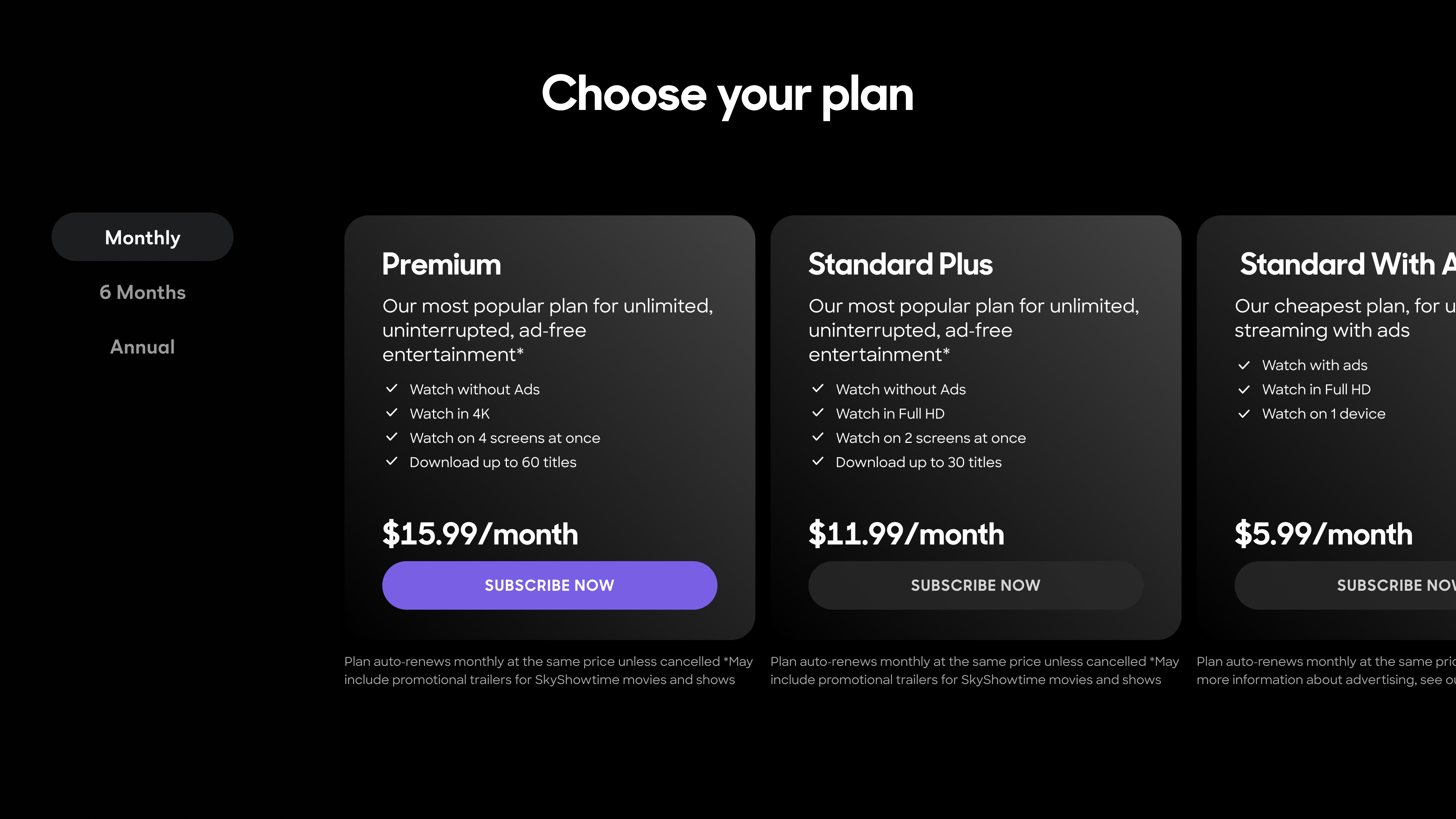
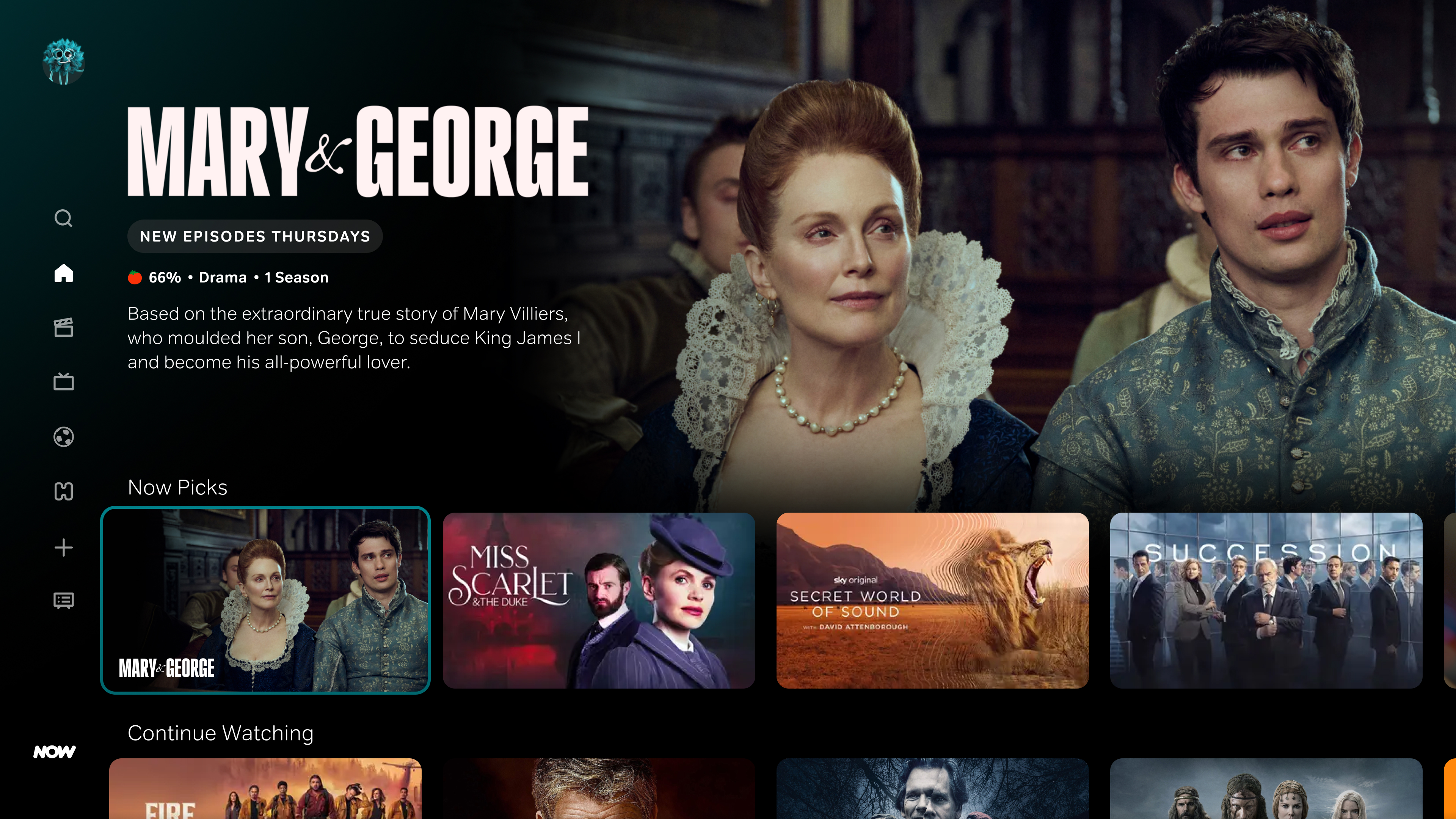
The viewing experience held the same rhythm. The same metadata layout, the same playback controls, the same way of telling the viewer what they were about to watch. Different brands. One system underneath.
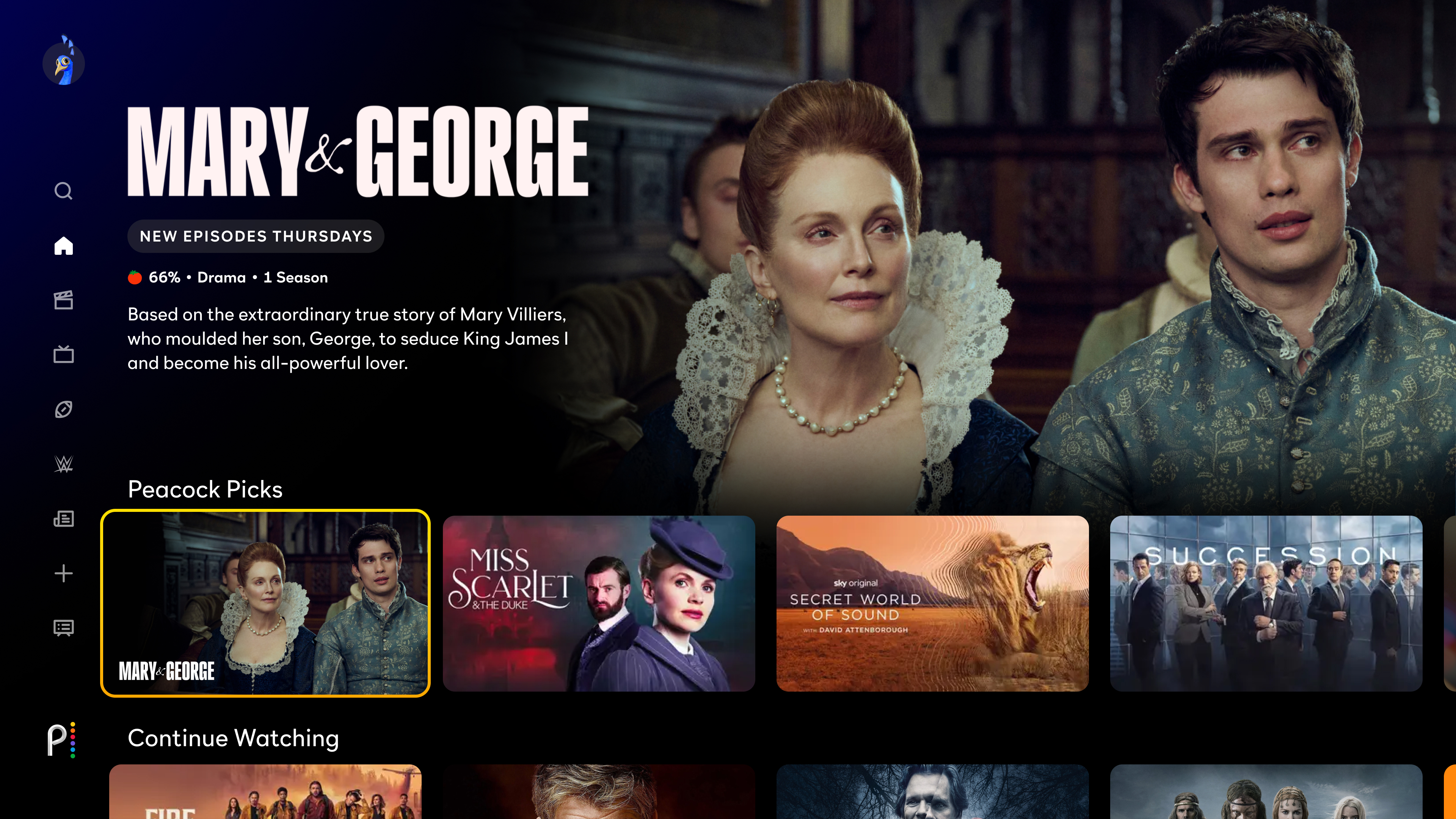
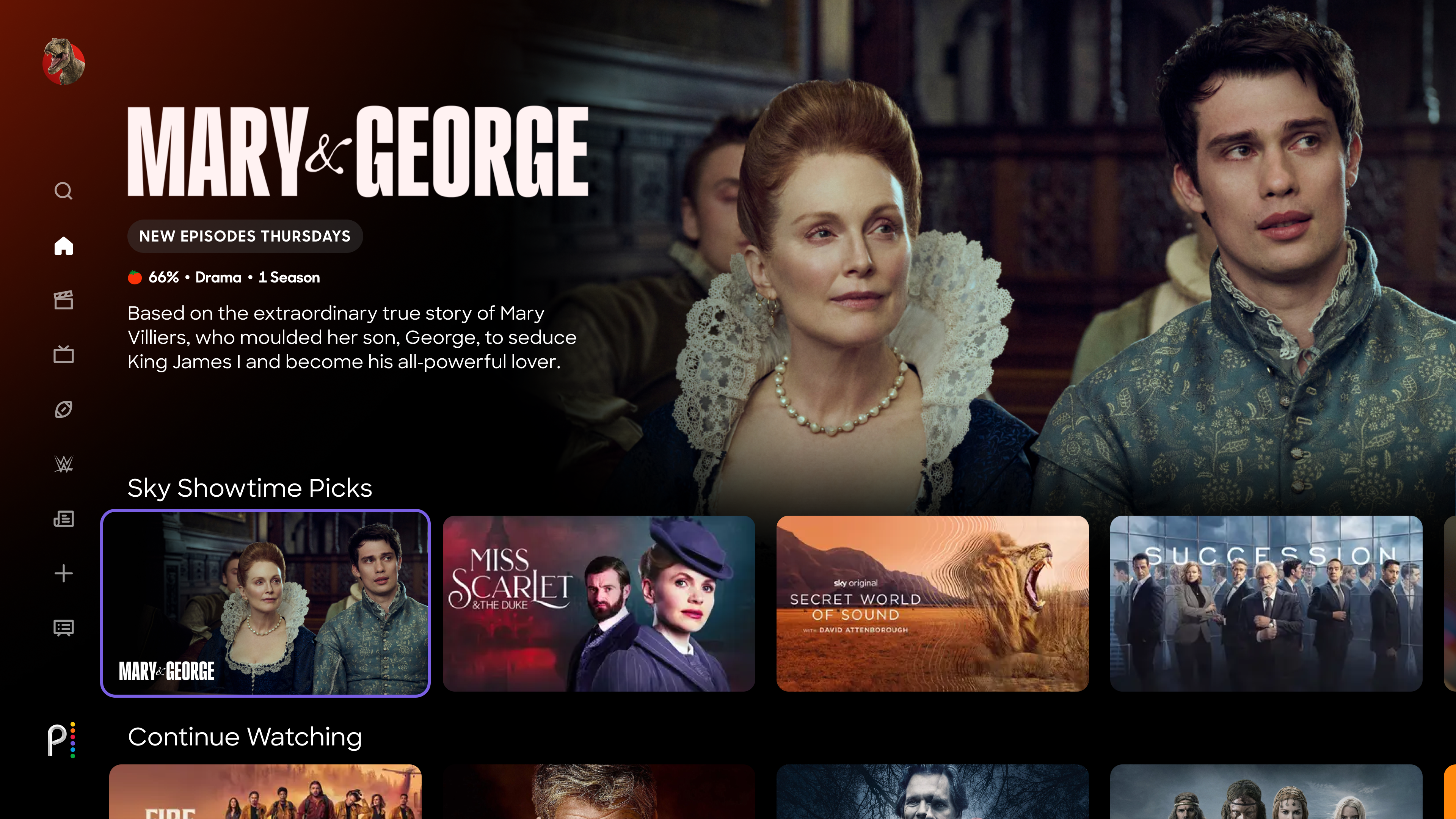
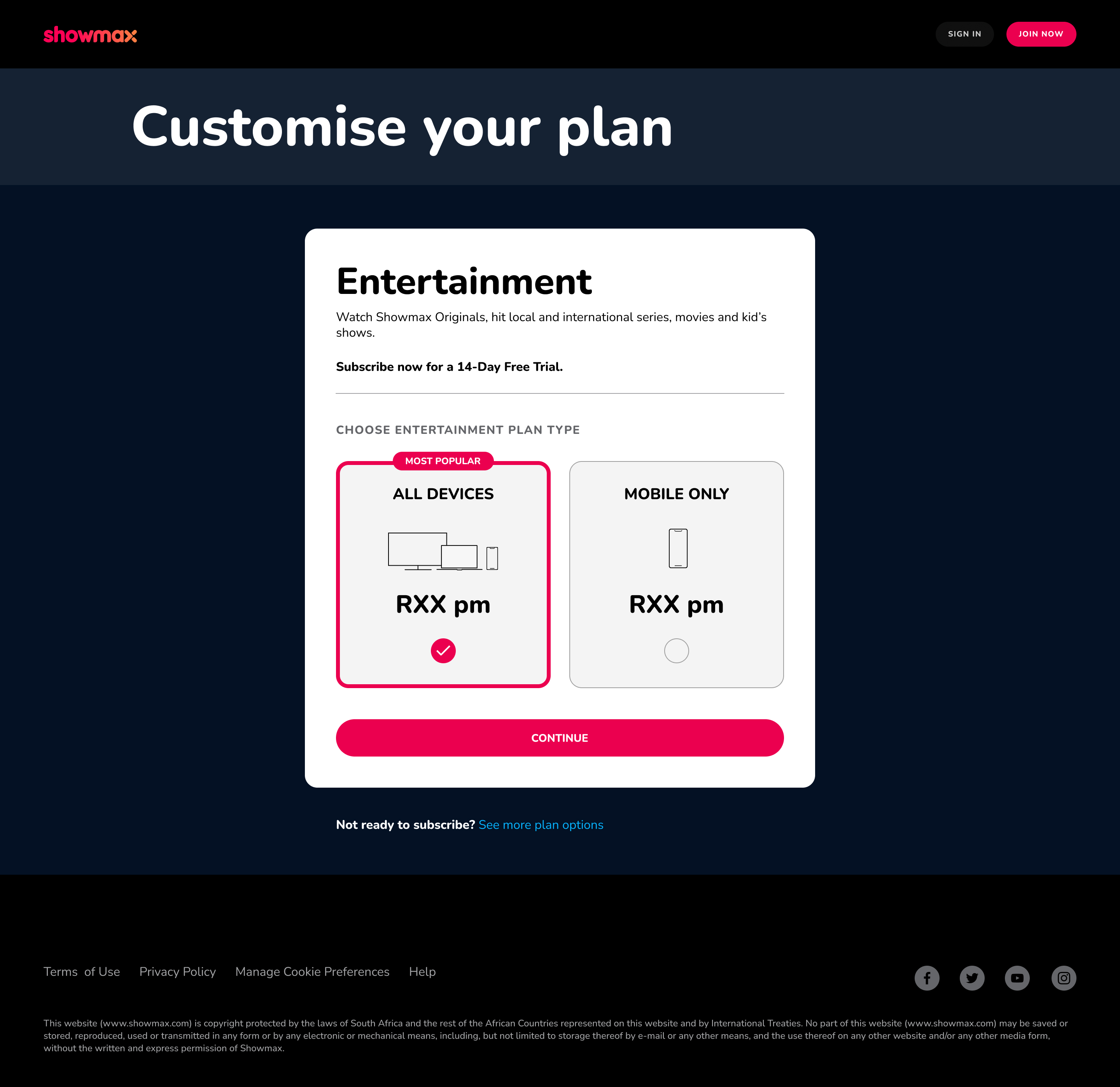
The Showmax mobile-only tier is the cleanest example of what the design system was actually for.
The research started with how people in Kenya and South Africa actually used their phones, their data, and their money. Kenya runs on M-Pesa, the mobile money network that handles almost every recurring transaction in the country. Television subscriptions had sat outside that pattern, charged through cards most viewers did not carry, billed on cycles their household budgets did not work in.
Most viewing in those markets happened on a phone. Not because televisions were absent, but because the phone was the device that travelled between rooms, between commutes, between data plans. A streaming product designed for a fifty-five-inch screen in a UK living room was not a streaming product for that audience. It was someone else's product, dressed in the local language.
So we built a tier that started where the user actually was. Mobile-only. Pay as you go through M-Pesa. Pricing in rand and shillings at amounts the household budget could carry without flinching. Subscription tiers that flexed with the data plan rather than fighting it.
Globalisation by translation does not work in television. Localisation, lived in by the people you are designing for, does.
The largest part of the project was not the design system. It was the organisational change underneath it.
The merger meant new teams, new reporting lines, new timezones to coordinate across. As Design Director on Global Streaming, I sat second hand to the leadership advising across the restructure. The design team that came out of it had to be more than a list of names. It had to be a culture. Capable of holding the design quality bar while meeting timelines that were tight before the org chart had finished settling.
We built that culture deliberately. Hiring as a design problem in itself. A skills matrix that mapped craft, working style, conviction, complementary instincts. The team that emerged worked across borders and timezones with clarity, and shipped the platform on the schedule the merger had set.
The syndicated platform shipped to four markets at once. Four products, one system, one rollout. The design language carried each market its own dialect inside a shared grammar. The commercial flexibility held a UK long-term bundle alongside a Kenyan pay-as-you-go top-up without either feeling like an afterthought.
The work taught me what global product design actually demands. It is a coaching job and a cultural job before it is a design job. You hold the line on what feels human, and you give each market the room to land its own version of it.
The design system continued to evolve after the launch. The lineage of the original decisions still shows up in how the products develop today.
The lesson from the syndication is that real localisation only happens when the research is willing to live with the people you are designing for. Wellness will tell the same story over the next decade.
Localisation and globalisation, when designed with honest research, become much more than an organisational cleanup. They become the means by which a product reads true in one market without flattening the others.
The platforms that work will be the ones built with the same discipline these four streams demanded.
That is the craft I am bringing into wellness now.
Curious how this could apply to your business or project?