Maria Valiji

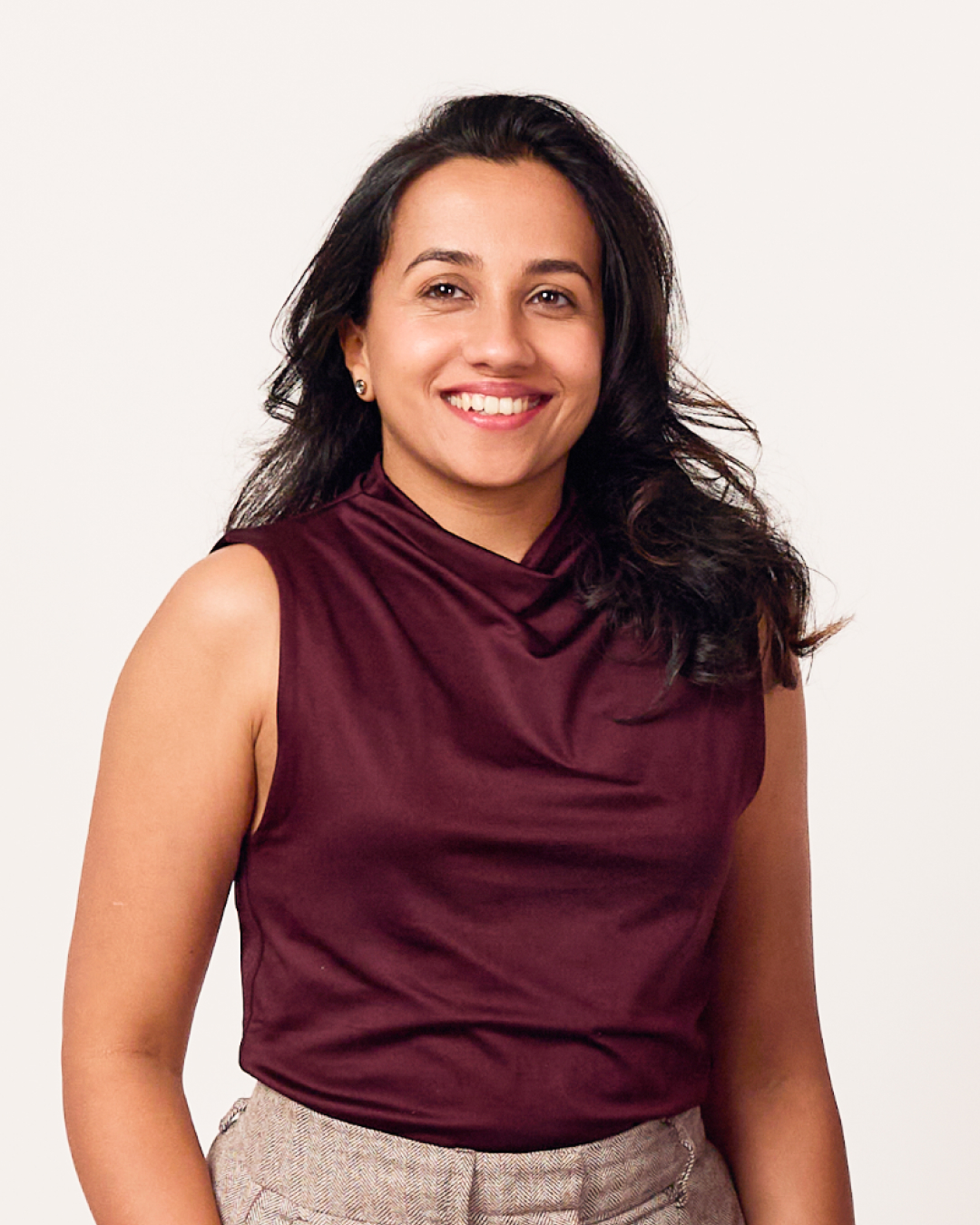
Maria Valiji.

On a mission to design the future of wellness.

Maria Valiji
Design Director, Founder, Coach.
Hue & Heal Design Studio. Board advisor across health-tech and wellness. Formerly Head of Design, Sky Global Streaming.
London · Open to collaboration Scroll
II

The premise.

For over a decade I designed how millions of people met entertainment. I learned what design at scale can do to behaviour. To loyalty. To whether someone shows up the next day.

The wellness industry, the one supposed to make us healthier, has almost none of it.

Hospitals still put vending machines full of junk in their lobbies. Apps designed to help us sleep wake us up to nag. Habit-builders that nobody returns to after week two. There is a gap between the intention of these products and the experience of using them, and that gap is where I work.

I started Hue & Heal to put the rigour that built the world's most engaging media platforms behind the products meant to make us well. I am here to find the people who want to build it with me.

Continue, chapter three follows
III

The origin.

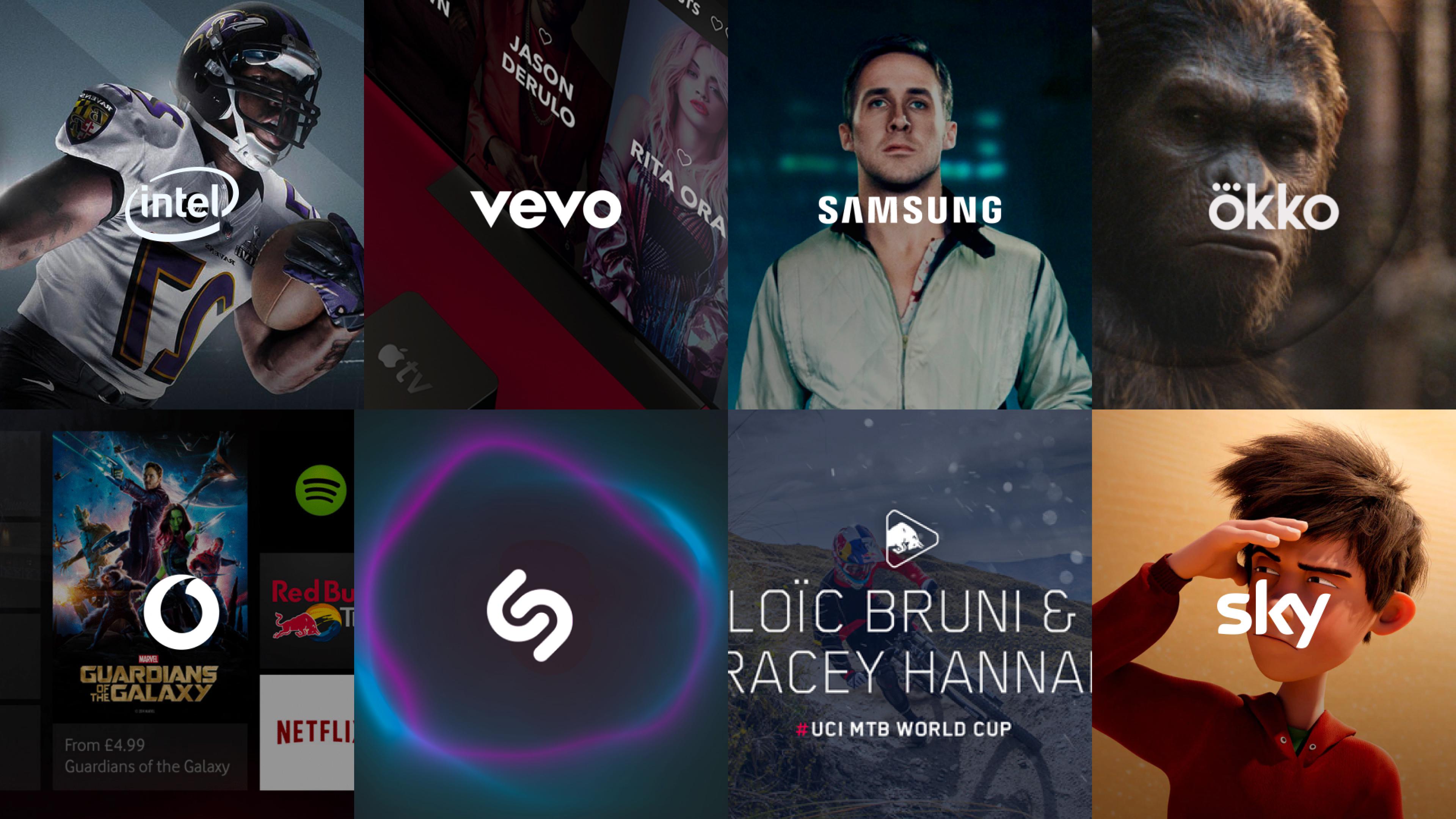
Over a decade leading design at the world's largest entertainment brands. Sky, Comcast, NBCUniversal, Shazam, Vevo, Vodafone, Red Bull. Streaming products opened by millions every day. Sales journeys that delivered multi-million revenue. Design teams I built to be diverse, high-performing, and known for immersive storytelling at scale. I learned what behaviour responds to when there are millions on the other side of the screen. The craft, the leadership, the finesse to hold a global audience inside one design language without flattening any of them. I bring all of it forward now.

A mosaic of brand work across Sky, Vevo, Samsung, Shazam, Vodafone, Red Bull, Intel and more
Selected work, 2011 to 2024
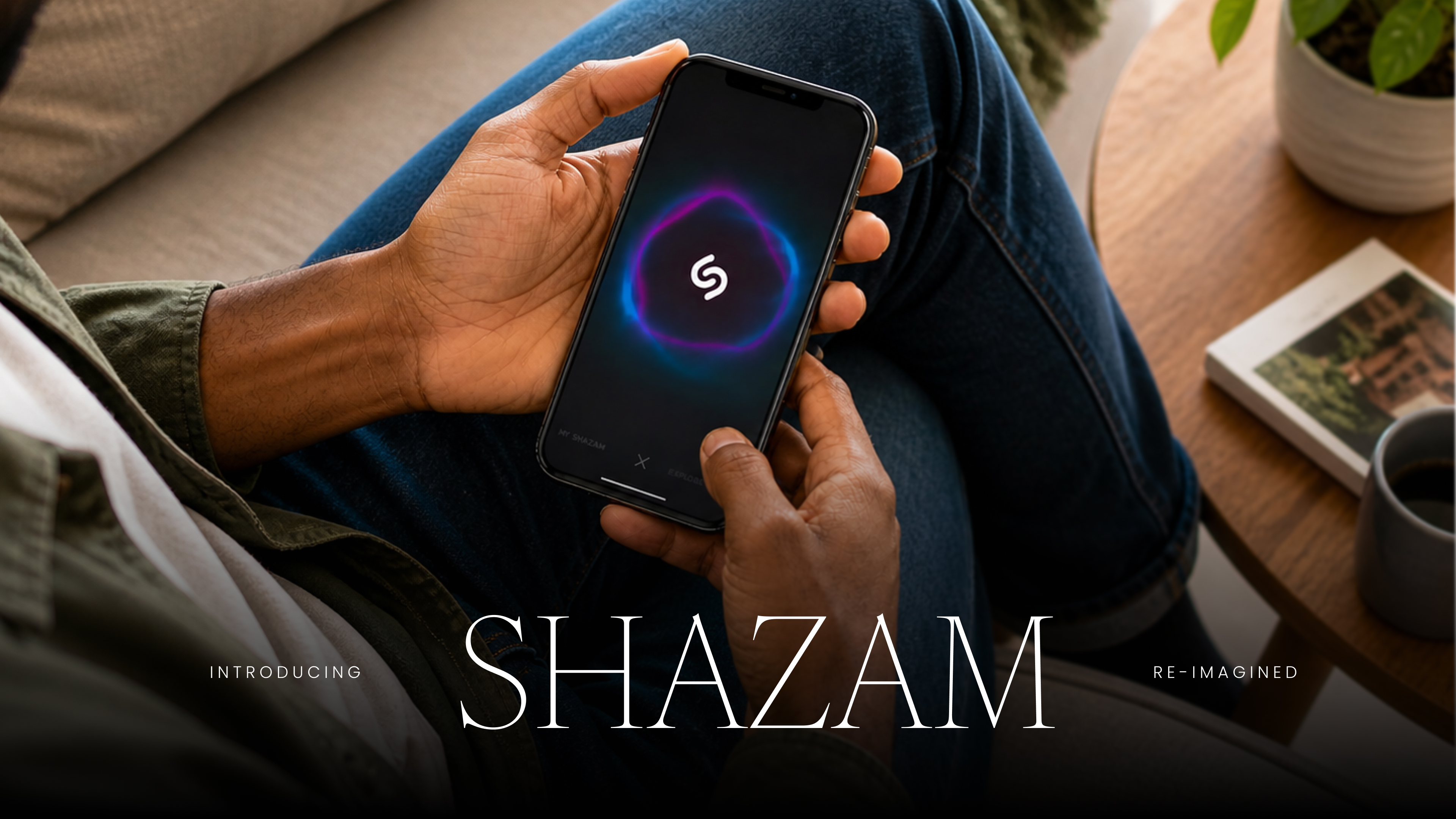
The Shazam app open in a person's hands, mid-recognition
Shazam · W12 Studios · 2013–2014

Shazam, from utility to destination.

Re-designing Shazam from a music recognition utility into an emotionally intelligent destination. The listening screen became adaptive. Its colour, motion and depth all shifted to match the genre and the feeling the artist wanted to convey through the song. Identification, plus everything music actually carries.

Want to explore more
Sky Marketplace, the interactive sales platform
Sky · Marketplace · 2023–2024

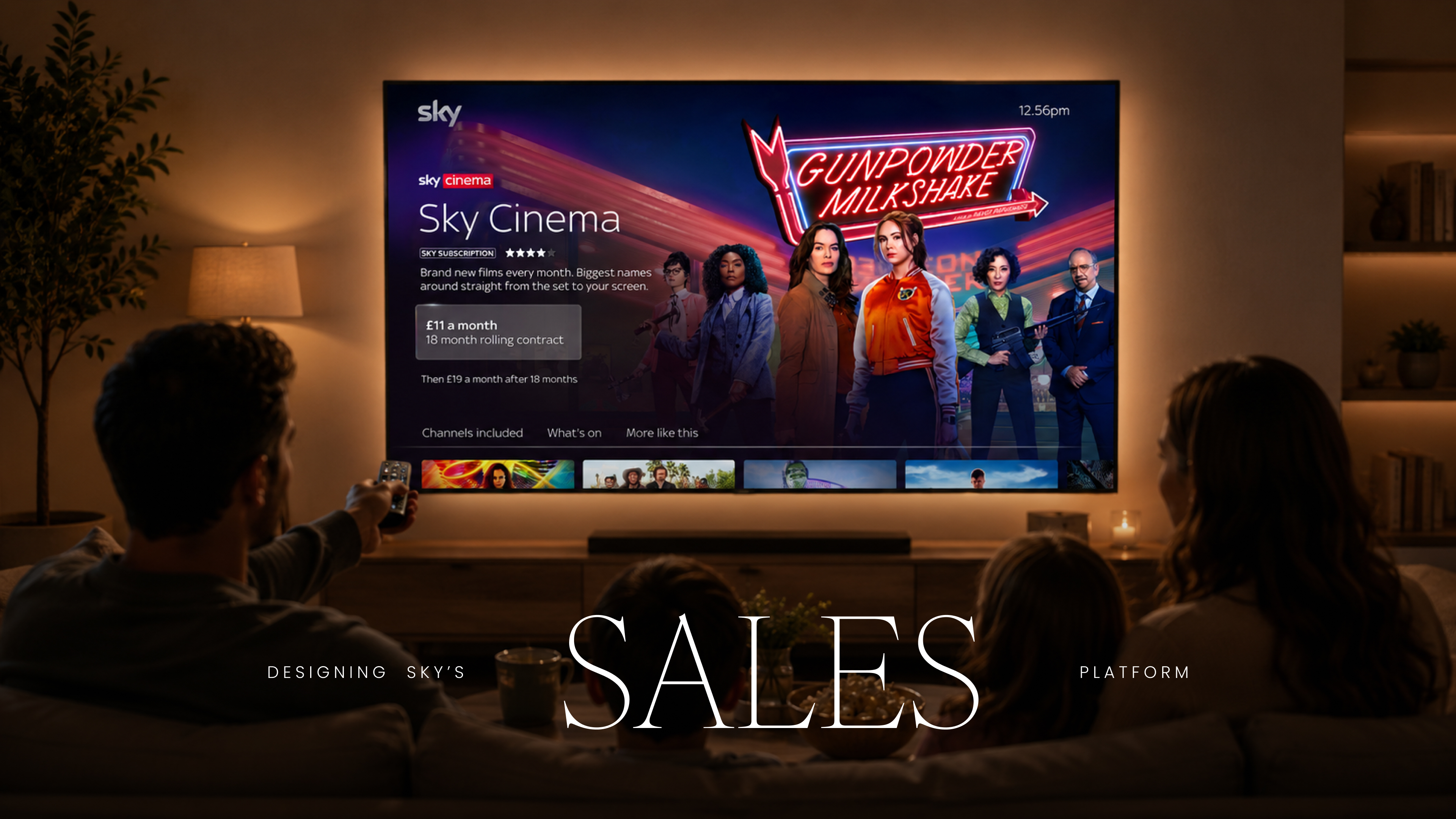
Designing Sky's marketplace.

Turning the Sky TV from a content destination into a platform marketplace. Every subscription, partner, tier and piece of hardware sat one click away from the screen the household was already watching. The TV became Sky's second revenue channel after the call centres.

Want to explore more
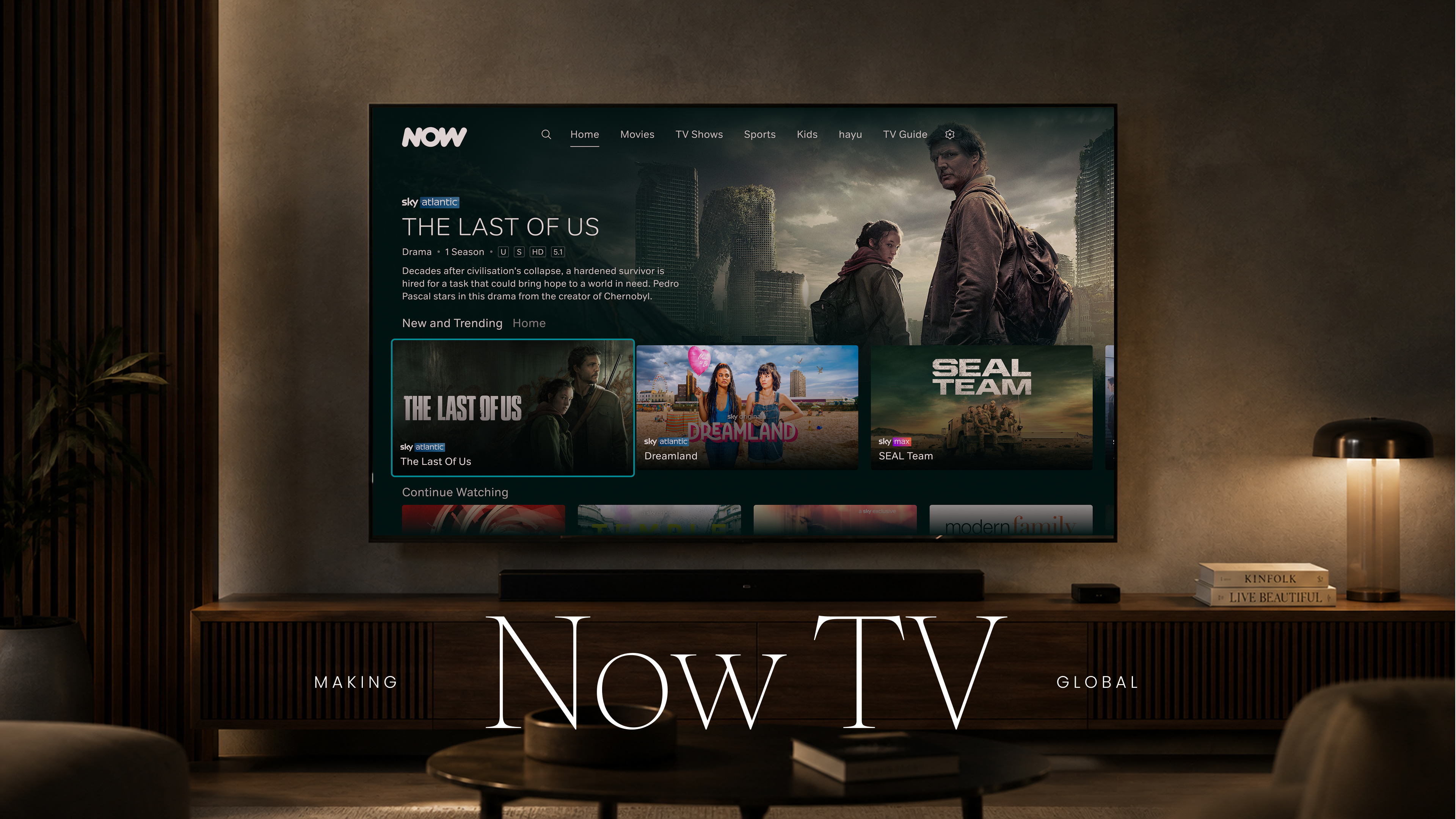
NOW, Peacock, Showtime, Showmax brought into one platform
Sky · Comcast / NBCUniversal · 2023–2024

One platform, four streams.

Bringing NOW, Peacock, Showtime and Showmax into a single syndicated platform after the Sky and Comcast merger. One design system held four products and four very different audiences, from UK long-term subscribers to M-Pesa pay-as-you-go viewers in Africa. The work was as much organisational design as product design.

Want to explore more
Sky Cinema product surfaced on a Sky Glass television
Sky Glass · Sky Q

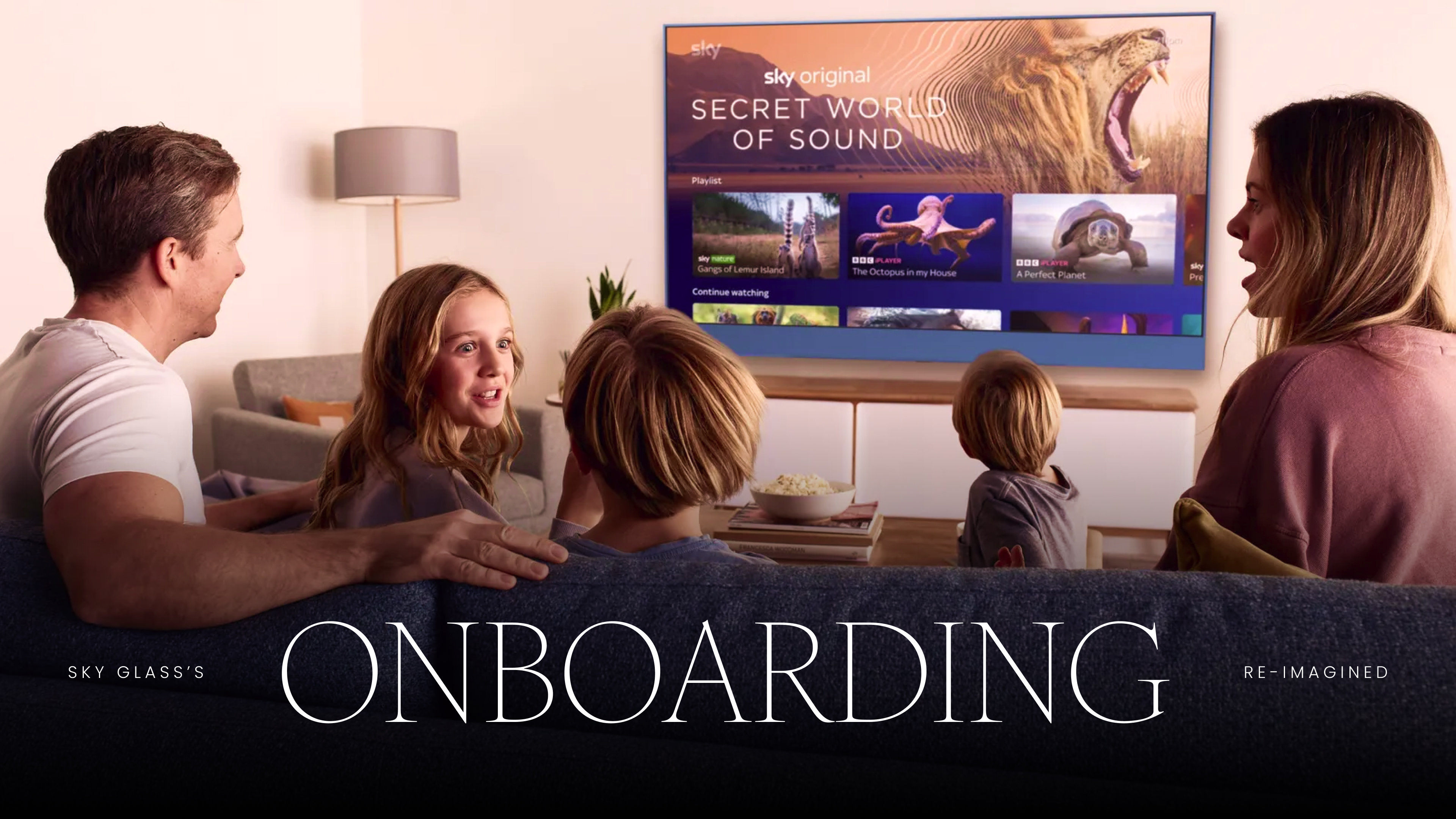
An onboarding that adjusted to the person setting it up.

If your sight was low, the entire flow became visually guided. The TV's own camera kept families in frame for shared sessions. We took accessibility past compliance into something that read as care. The principle that started here is the one I bring everywhere now.

Want to explore more

Across all of it I learned the same thing. Design at scale changes behaviour. It changes who shows up, who comes back, who feels seen. It also changes what we accept as good enough.

IV

The lead.

I have never led teams in a conventional way.

I learned to lead at twenty-five, in a room where the rest of the leadership table was significantly more senior than me. The standard playbook of authority by tenure was not available to me, and I would not have wanted to use it if it had been. I built my own approach. Drawn from the exceptional leaders around me, and from a quiet conviction that the best creative teams are not assembled, they are designed.

People.

I treat hiring as a design problem.

Behavioural science techniques and a skills matrix that maps craft, working style, conviction, complementary instincts. The right designer in the wrong team produces nothing. The right team produces designers who exceed themselves. I have built and re-built creative teams across Sky, NowTV and NBCUniversal that earned a reputation inside those companies for high performance, high trust, quiet creative excellence. I created one of the most diverse design teams the organisation held at the time, because diverse teams are not a tick box. They are the only way to build products that travel across markets without flattening any of them.

I believe creative leadership is a coaching job at heart. I have built that part of my practice into a method I now teach, called Design Thinking for Human Transformation, that integrates design thinking with behavioural psychology and transformational coaching. I use it with designers, founders and creative leaders globally. The work has clarified for me that what makes a great creative team is rarely the brief. It is whether each person on it has been given the conditions to do their most truthful work.

Craft.

I lead from inside the work. I do not assign craft to others and disappear into governance. I sit in the file. I make the call on the typography. I write the copy when the copy is wrong. I do this because the design only travels as far as the senior person's own taste is willing to follow it.

It is the part of my practice I am least willing to give up. The day I stop being in the work is the day my judgement on the work starts to drift. So I stay in.

V

The shift.

Then I noticed.

The work I was doing was the best I had ever done. The teams were the best I had built. Streaming products opened by millions every day. Sales journeys moving real revenue. Every metric we cared about was moving in the direction we wanted it to.

It had stopped meaning enough.

The craft I had built had a higher use than keeping people inside the same hour of television another night. There was an entire industry, the one meant to make us better, that needed everything I had spent over a decade learning. Nobody was bringing it.

I left to be the one who did.

VI

The now.

What you make stands testament to who you are.

Jonny Ive

The work below is one mission, in different shapes. To use the craft, the leadership, the design instinct I have spent over two decades building, and put it where the world needs it most.

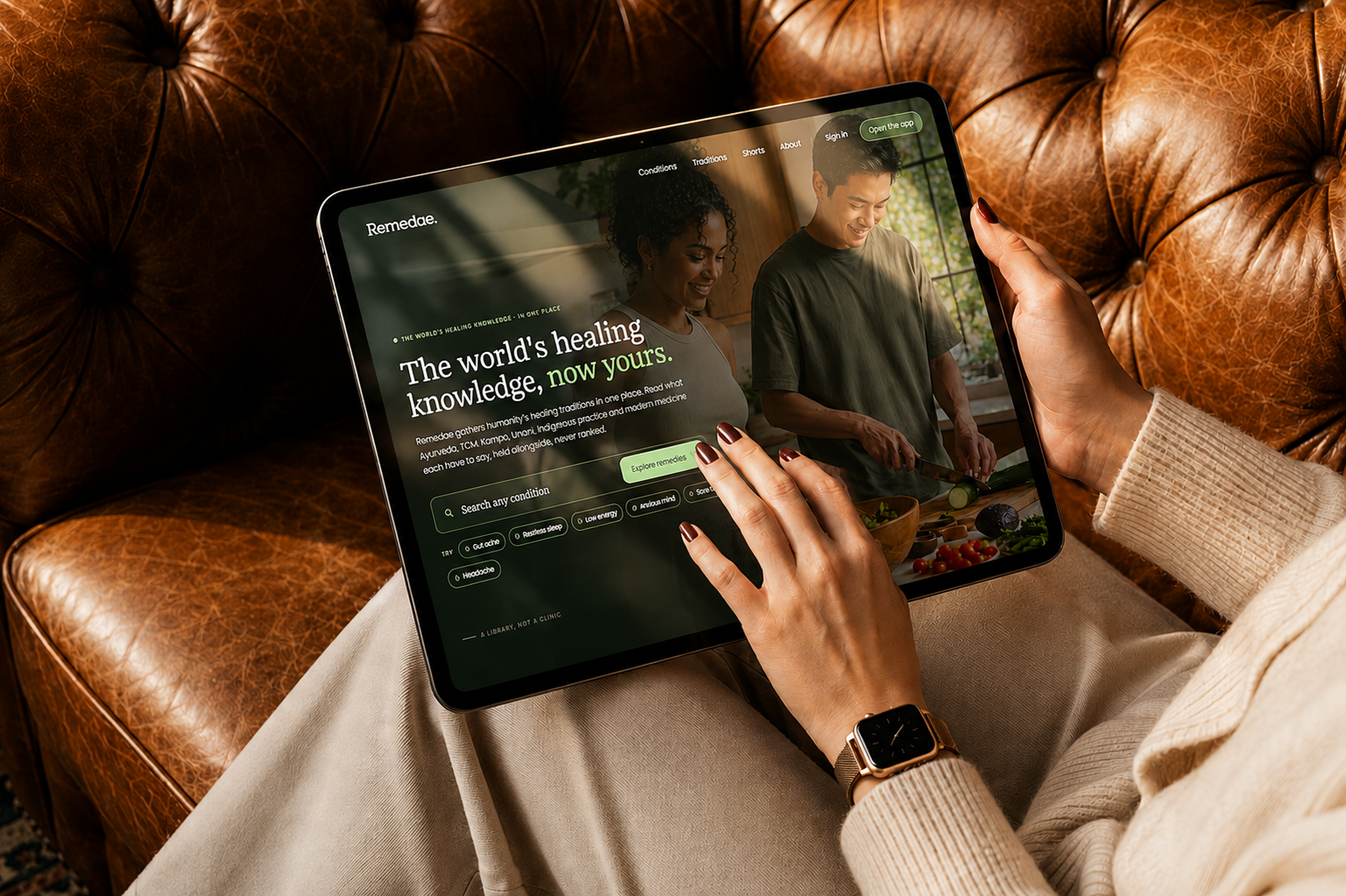
Remedae web product on a laptop, surrounded by botanical light
Remedae · Founder · In development

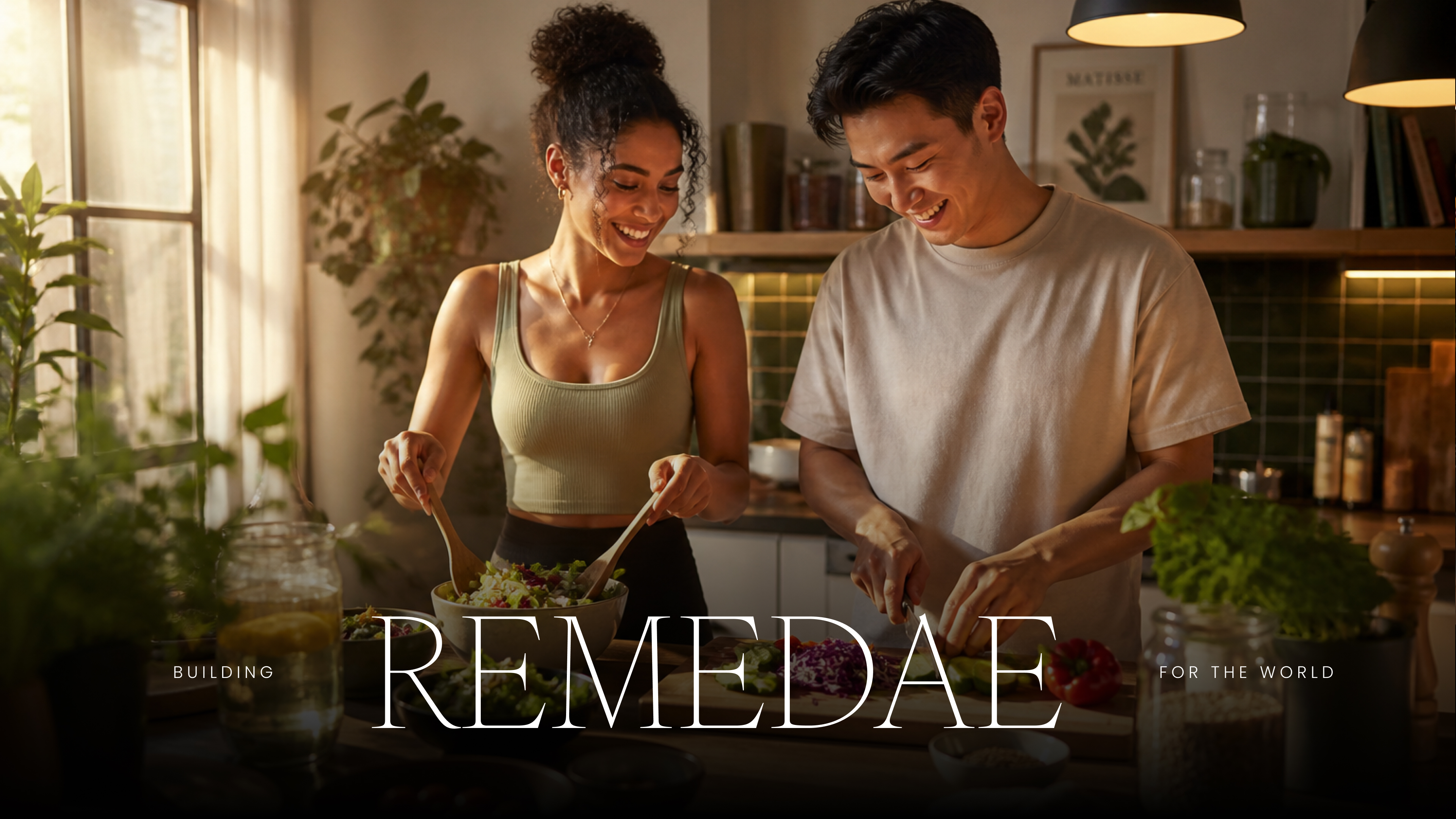
The world's healing knowledge, now yours.

An honest aggregator of humanity's healing knowledge. Ayurveda, TCM, Kampo, Unani, indigenous practice and modern medicine, all held alongside one another. Read what each has to say. Decide for yourself. A library, not a clinic.

Want to explore more

Hue & Heal Design Studio

Founder, Creative Director

Strategic design and innovation consultancy advancing health-tech and wellness through design-led thinking. The studio behind the others.

LUME

Co-founder

Smart wellness vending for premium venues. Built on the observation that places promising wellness still serve junk. We change what the vending machine can be, in hospital lobbies, gym foyers, hotel corridors.

Hue & Heal Mind

Founder, Creative Coach

One-to-one coaching for creatives, founders and leaders, using design thinking methodologies for human transformation. Helping people land on the most creative version of themselves and the work that comes from there.

Her Comeback Club

Co-founder

A community for ambitious mothers returning to their work after children. Co-founded with women who refused the binary.

The work is the same shape across all of them. Bring the rigour of products people actually use to places that have been getting away with intentions instead. Make the wellness experience meet the wellness promise.

What follows.

  1. A letter at the end. Who I am looking for. A doorway, not a contact form